
Personal Branding: Why People Trust Faces More Than Logos
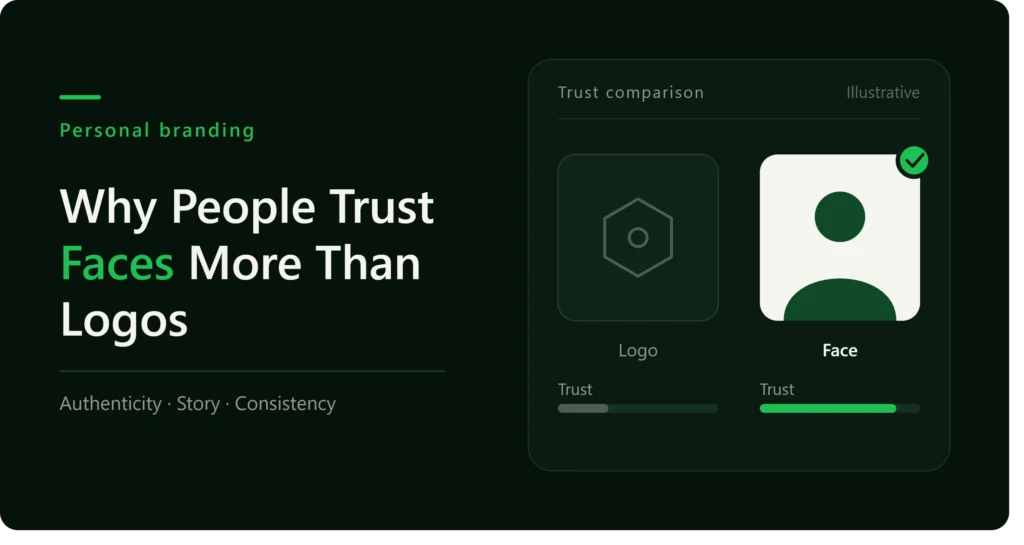
Imagine choosing between two businesses that offer the same service. One relies on a polished logo and a steady stream of advertisements. The other introduces its founder, shares expert advice openly, and speaks directly to its customers. Which one feels more trustworthy?
People connect with people. A recognisable face, honest communication, and a consistent professional identity make a business feel approachable and credible. That is why personal branding has become one of the most valuable parts of modern digital marketing.
What Is Personal Branding?
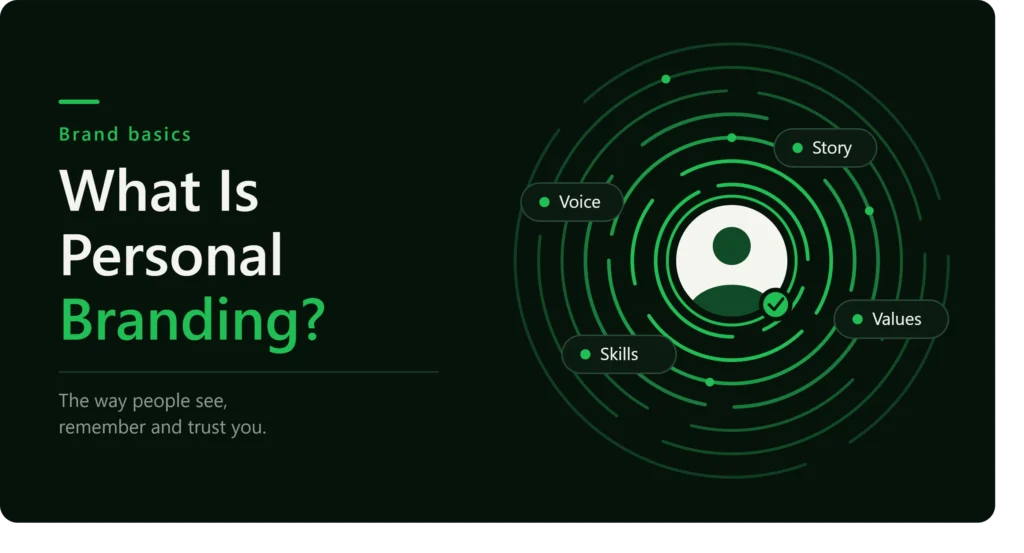
Personal branding is the deliberate shaping of a professional identity around an individual. It communicates your expertise, experience, values, and personality through the platforms where your audience spends time.
Where traditional branding focuses on a company’s image, personal branding puts the person behind the business in front. It helps audiences understand who you are, what you offer, and why your approach is different.
Why Personal Branding Matters in 2026

In 2026, audiences are surrounded by content, much of it automated, recycled, or exaggerated. As a result, people have become more selective about whom they trust. Before buying or hiring, they check your profiles, watch your videos, read your opinions, and look for proof of real experience.
Three shifts make personal branding especially important this year:
- AI-generated content is everywhere. When anyone can produce a polished post in seconds, a genuine point of view, real project experience, and a recognisable voice become the things that set you apart.
2. Trust is the deciding factor. Audiences reward professionals who are transparent about what they know, what they do, and how they work, and they quickly lose interest in inflated claims.
3. Search and discovery are changing. People find answers through search engines, social platforms, and AI tools. Content that shows real expertise and answers real questions clearly is more likely to be found and remembered.
A strong personal brand answers all three: it proves there is a real person with real experience behind the work.
The Ethical Foundation of a Premium Personal Brand
A premium brand is not built on louder promises. It is built on integrity. Ethical content writing protects your reputation and strengthens audience trust, and it rests on five principles:
- Be honest about your experience. Describe your skills and results accurately. Never exaggerate your achievements or claim expertise you do not have.
- Use real proof. Share genuine client feedback and real work, with permission. Avoid fabricated testimonials, inflated numbers, and misleading before-and-after claims.
- Be transparent about AI. AI can support research, structure, and editing, but your insights, opinions, and experiences must be your own. Disclose AI assistance where it matters, and review every piece before publishing.
- Credit your sources. When you use someone else’s ideas, research, or images, acknowledge them. Original thinking earns more respect than borrowed content.
- Respect privacy. Always get consent before featuring clients, colleagues, or their data in your content.t.
Platforms That Help Build Your Personal Brand
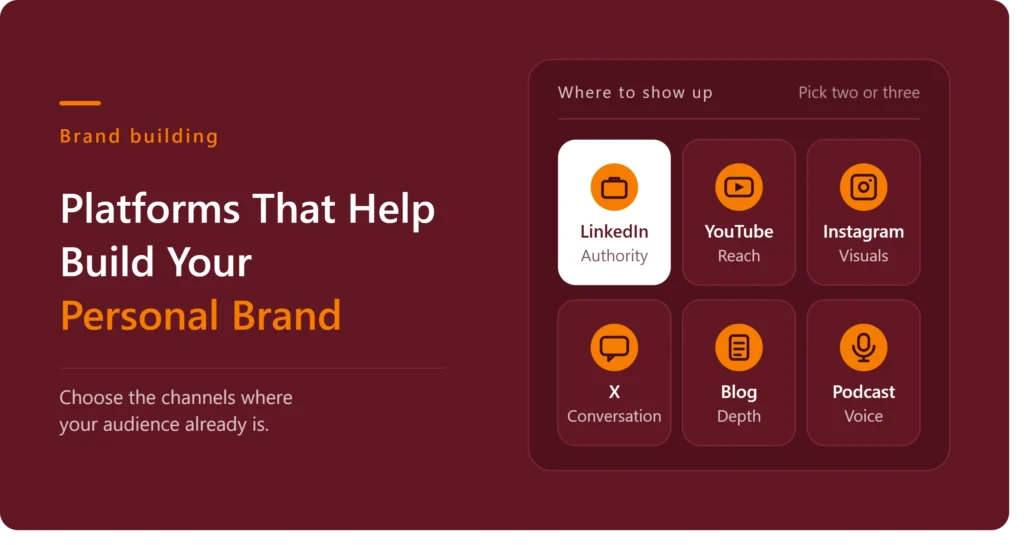
You do not need to be everywhere. Choose the platforms that suit your profession and your audience.
Ideal for sharing industry insights, case studies, and professional milestones. A complete, well-written profile builds credibility and attracts meaningful connections.
Best for showing personality and process through short videos, project highlights, and behind-the-scenes stories. It lets your audience see the person behind the work.
YouTube
Well suited to tutorials, explanations, and in-depth discussions. Regular, useful videos build familiarity and long-term trust.
Personal Website
Your own website brings your portfolio, services, achievements, and contact details into one place you fully control. It is the foundation of your online presence.
Practical Ways to Build a Strong Personal Brand
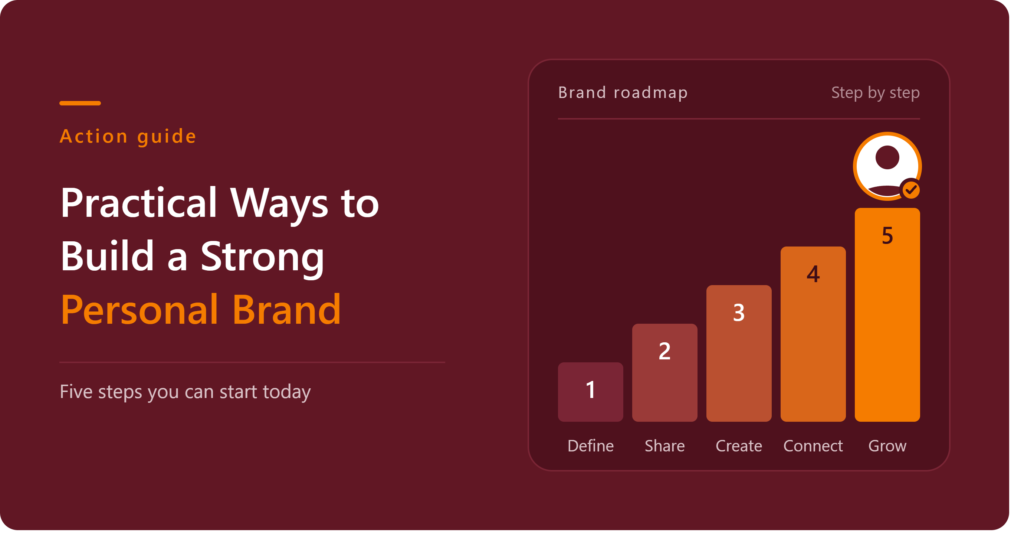
- Define your identity. Identify your strengths, your niche, and the qualities you want people to associate with your name.
- Share valuable content. Publish practical insights and real experiences that solve your audience’s problems.
- Show your personality. Use authentic photographs, videos, and stories that make your brand relatable.
- Stay consistent. Keep your visual style, tone, and message aligned across every platform.
- Engage genuinely. Reply to comments, answer questions, and take part in meaningful conversations.
- Use AI responsibly. Let it organise ideas and speed up production, while your voice, judgment, and experience stay at the centre.
Personal Branding in Practice
Consider a freelance graphic designer who shares design tips, project showcases, and creative insights on Instagram. Instead of repeatedly promoting services, the designer demonstrates expertise through useful content, so potential clients understand the quality of the work before making contact.
Similarly, a fitness coach who publishes educational videos and honest, practical training advice can build credibility over time. Viewers become familiar with the coach’s approach and may choose to become clients.
In both cases, authentic communication and demonstrated expertise turn an audience into lasting professional relationships.
Final Thoughts
A logo creates recognition, but a personal brand creates connection. In a year when content is abundant and trust is scarce, the professionals who stand out are those who combine real expertise, honest communication, and a consistent presence.
Your Next Step: Start Today
You do not need a large following or a perfect strategy. You need a clear starting point. Here is a simple plan for the next seven days:
- Day 1: Write one sentence describing who you help and how.
- Day 2: Update your profile photo and bio on your main platform.
- Days 3 to 5: Publish one useful post that shares something you have genuinely learned.
- Days 6 and 7: Reply to every comment and message, and ask your audience what they want to learn next.
Choose one platform, share one honest insight, and publish it this week. If this article helped you, share it with someone building their brand, and tell us in the comments which platform you will start with.